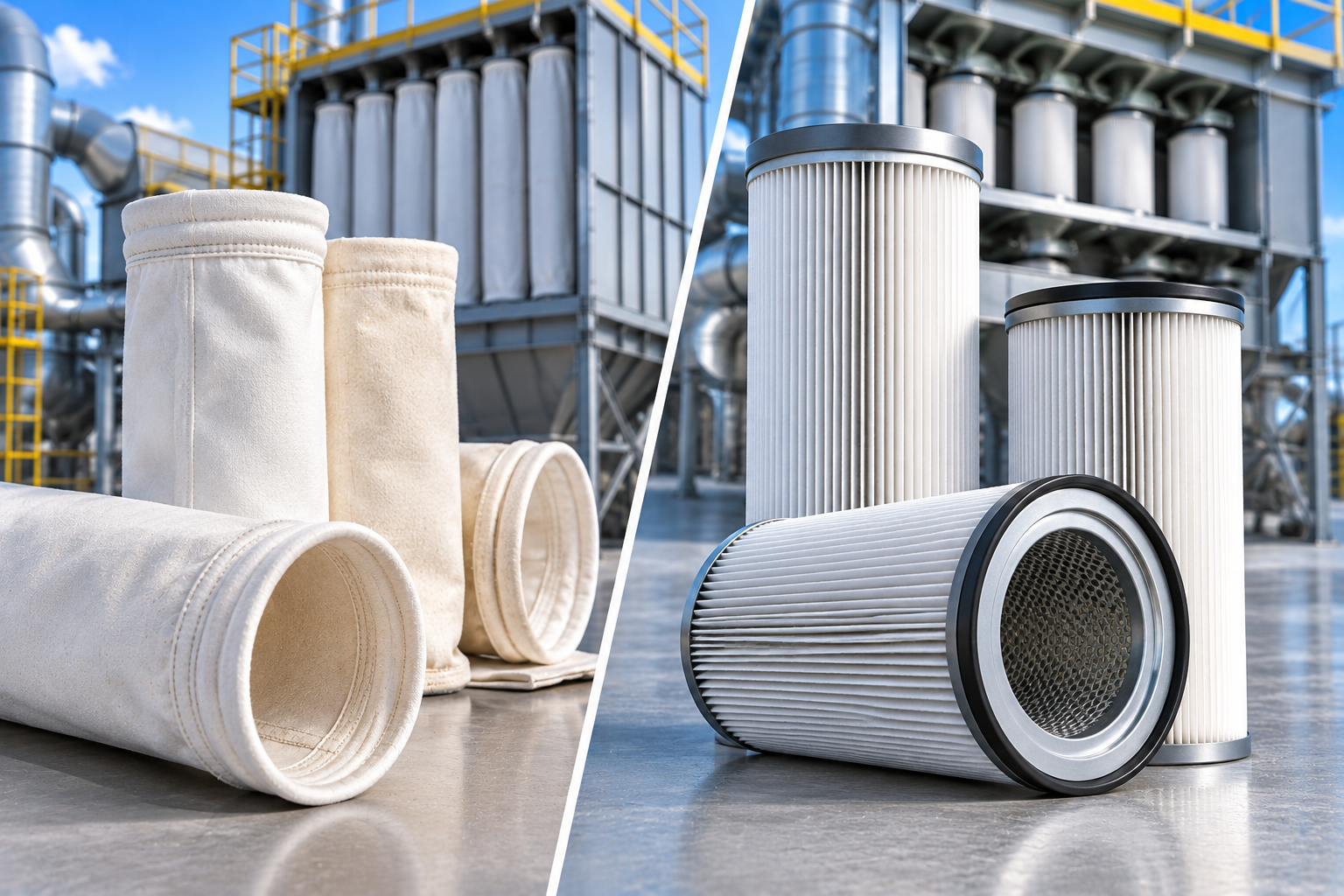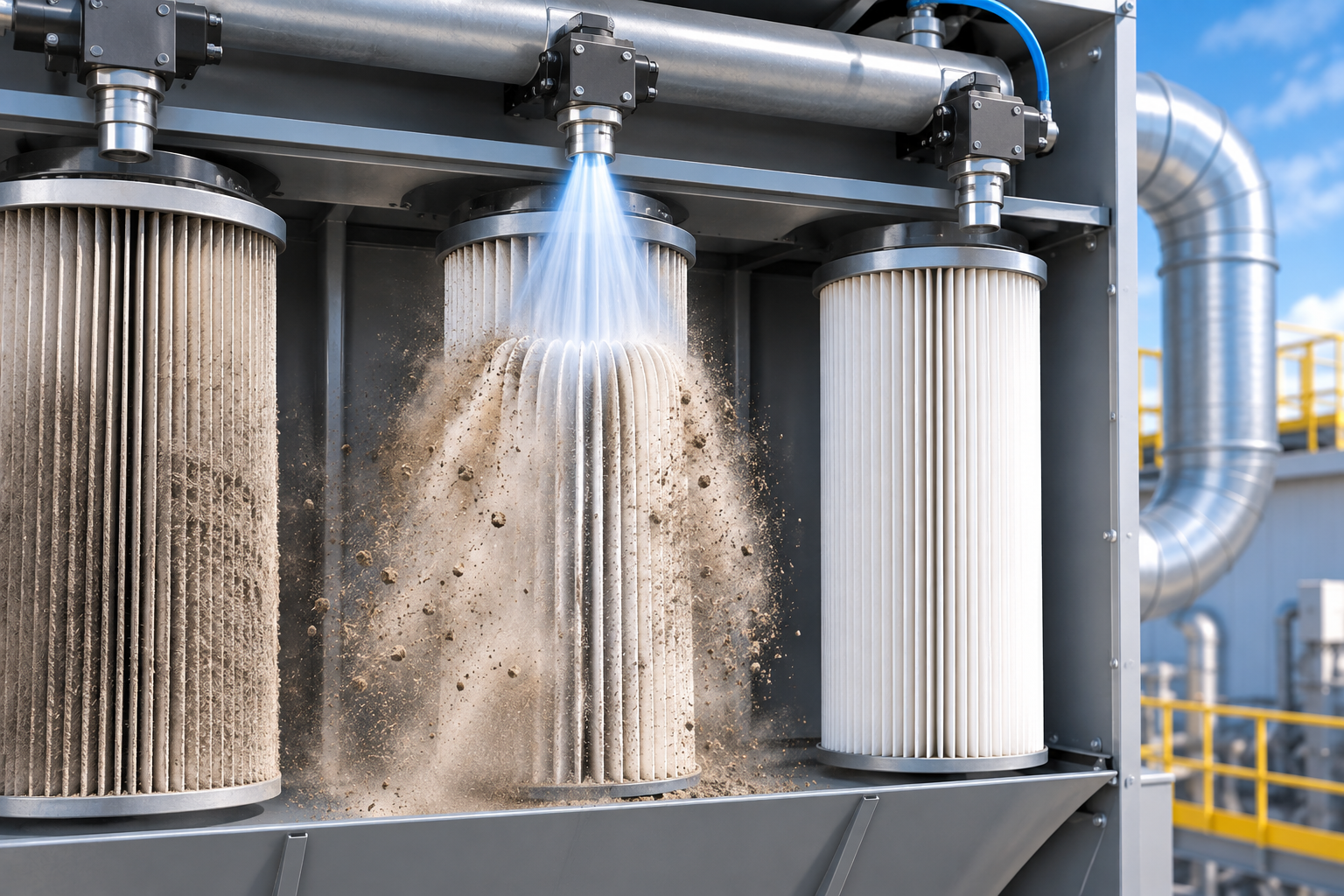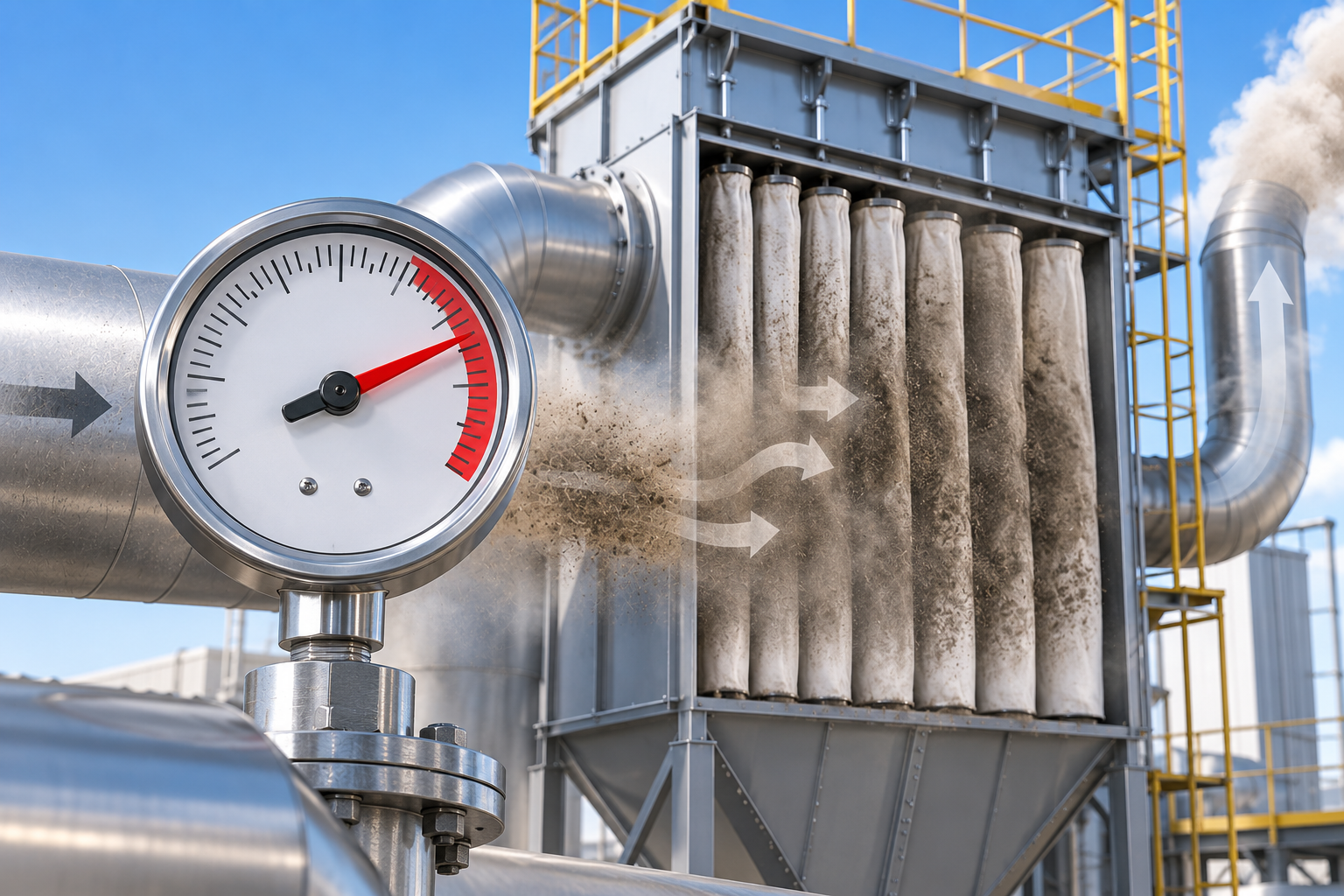
Temperature is only the first selection factor. Aramid, PPS and PTFE respond differently to moisture, acids, alkalis, oxidation and mechanical stress, so the gas composition and dew-point behavior must be reviewed together with normal and peak temperature.
| Quick Answer Temperature is only the first selection factor. Aramid, PPS and PTFE respond differently to moisture, acids, alkalis, oxidation and mechanical stress, so the gas composition and dew-point behavior must be reviewed together with normal and peak temperature. |
First clarify what ‘PTFE’ means
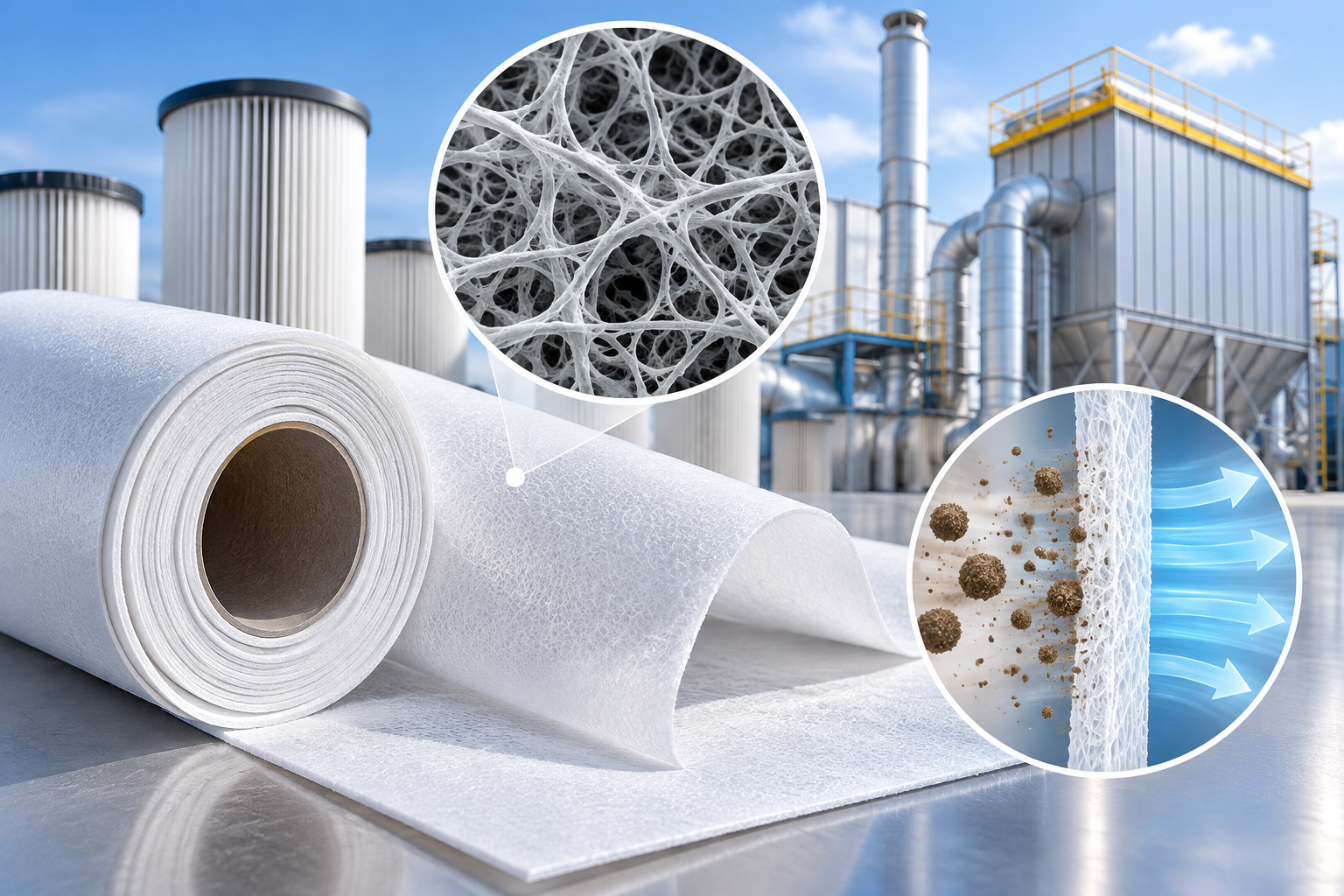
PTFE can refer to a thin ePTFE membrane laminated onto another support media or to a filtration structure made from PTFE fibers. A membrane may improve surface filtration, but the temperature and chemical limits of the support still apply. PTFE-fiber felt is a separate premium media used where chemical resistance and severe conditions justify the cost.
Aramid filter media
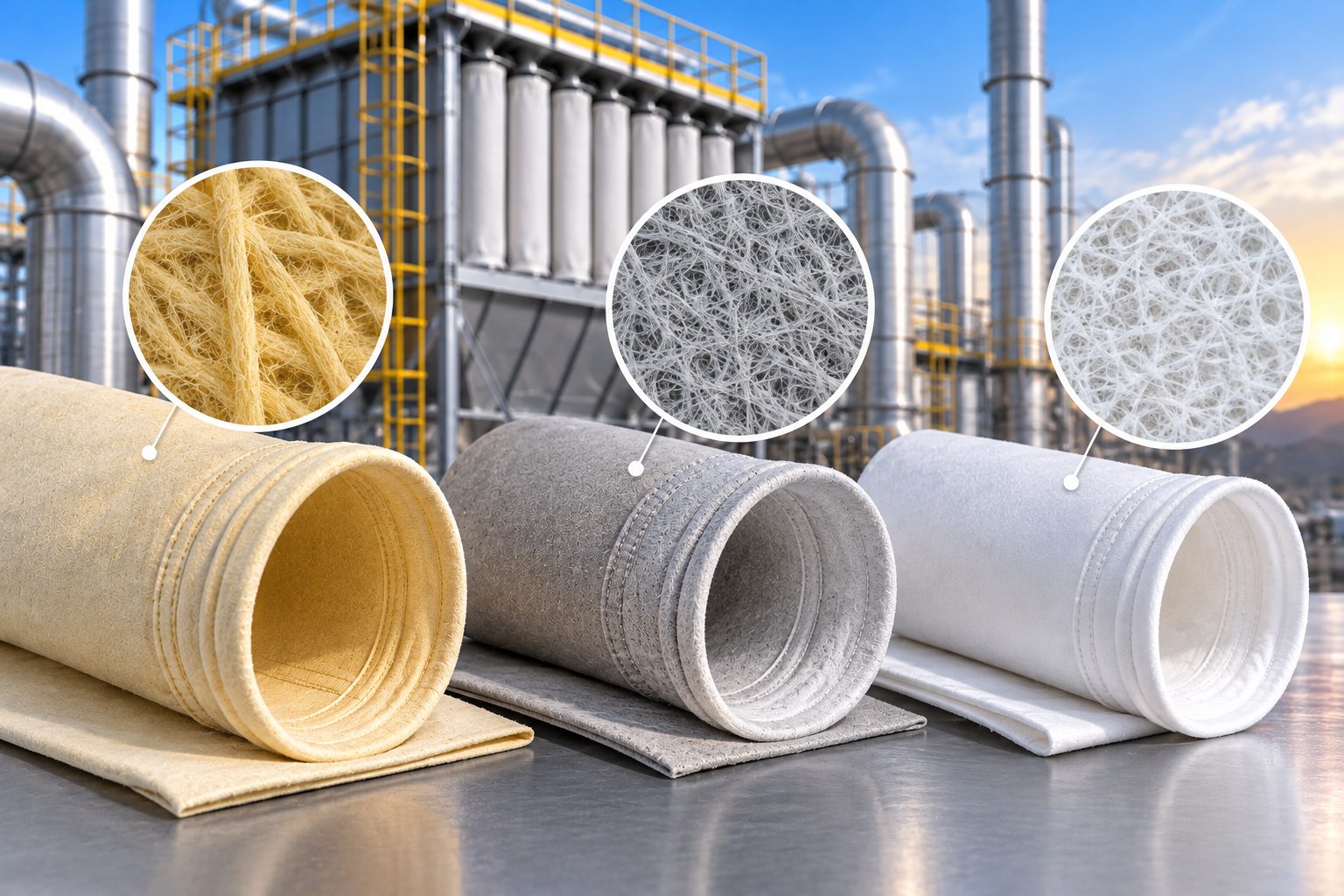
Meta-aramid felt is valued for heat resistance, dimensional stability and good mechanical performance in many dry high-temperature applications. It can be sensitive to hydrolysis when heat and moisture combine, and it requires careful review in strong acid or alkaline environments. It is commonly considered for asphalt, cement, metal and industrial drying processes where the gas conditions are compatible.
PPS filter media
PPS provides strong resistance to many acids and alkalis and performs well in moist gas streams when oxygen and temperature are controlled. Oxidation can become a limiting factor, especially when oxygen concentration, temperature and exposure time rise together. Boiler and power applications often require a detailed gas analysis before PPS is selected.
PTFE-fiber filter media
PTFE fiber offers broad chemical resistance and high-temperature capability. It is considered for corrosive or difficult gas streams where other fibers have insufficient durability. Its higher cost means the business case should consider expected service life, downtime, emissions performance and the cost of premature failure rather than purchase price alone.
Comparison framework
- Normal and continuous operating temperature, including actual gas distribution across the baghouse.
- Short-duration peaks and how frequently they occur.
- Moisture, condensation risk and operation near the acid dew point.
- Oxygen concentration and oxidizing species.
- Acid and alkali composition, concentration and exposure time.
- Dust abrasiveness, flexing and cleaning intensity.
- Required finish: singeing, calendaring, oil/water repellency, antistatic construction or membrane.
Why a laboratory temperature rating is not enough
Published temperature limits are typically conditional reference values. A fiber can tolerate heat in a dry laboratory yet degrade faster in a moist, oxidizing or chemically aggressive gas stream. Start-up, shutdown and process upsets may be more damaging than stable operation. Final selection should use the applicable supplier data, actual gas analysis and a documented operating window.
Recommended qualification process
- Collect representative gas and dust data across normal and upset conditions.
- Review the current bag failure mechanism and used-media analysis.
- Shortlist fiber and finish combinations, including scrim and surface treatment.
- Confirm dimensional, mechanical and filtration requirements.
- Run a controlled field trial in a representative compartment where practical.
- Inspect and test trial filters at planned intervals before full conversion.
Frequently Asked Questions
Which is the best high-temperature filter media?
There is no universal best material. The answer depends on temperature, moisture, gas chemistry, oxidation, mechanical load and service-life target.
Is PPS always better than aramid in wet conditions?
PPS is often considered for moist and chemically challenging streams, but oxygen and temperature can limit it. The complete gas composition must be reviewed.
Does a PTFE membrane make aramid or PPS chemically resistant?
No. The membrane can improve surface filtration, but the base media and all filter components remain exposed to operating conditions.
Technical and safety note
Final media selection must be based on the actual dust, gas composition, temperature, humidity, airflow, cleaning system and collector design. Combustible-dust, fire and explosion controls require a complete system risk assessment by qualified professionals; filter media is only one component.