Pulse-jet cleaning is necessary to control dust cake and pressure drop, but ineffective or excessive pulsing can shorten cartridge life. The goal is the least aggressive cleaning program that maintains stable airflow and differential pressure.
| Quick Answer Pulse-jet cleaning is necessary to control dust cake and pressure drop, but ineffective or excessive pulsing can shorten cartridge life. The goal is the least aggressive cleaning program that maintains stable airflow and differential pressure. |
What happens during a pulse
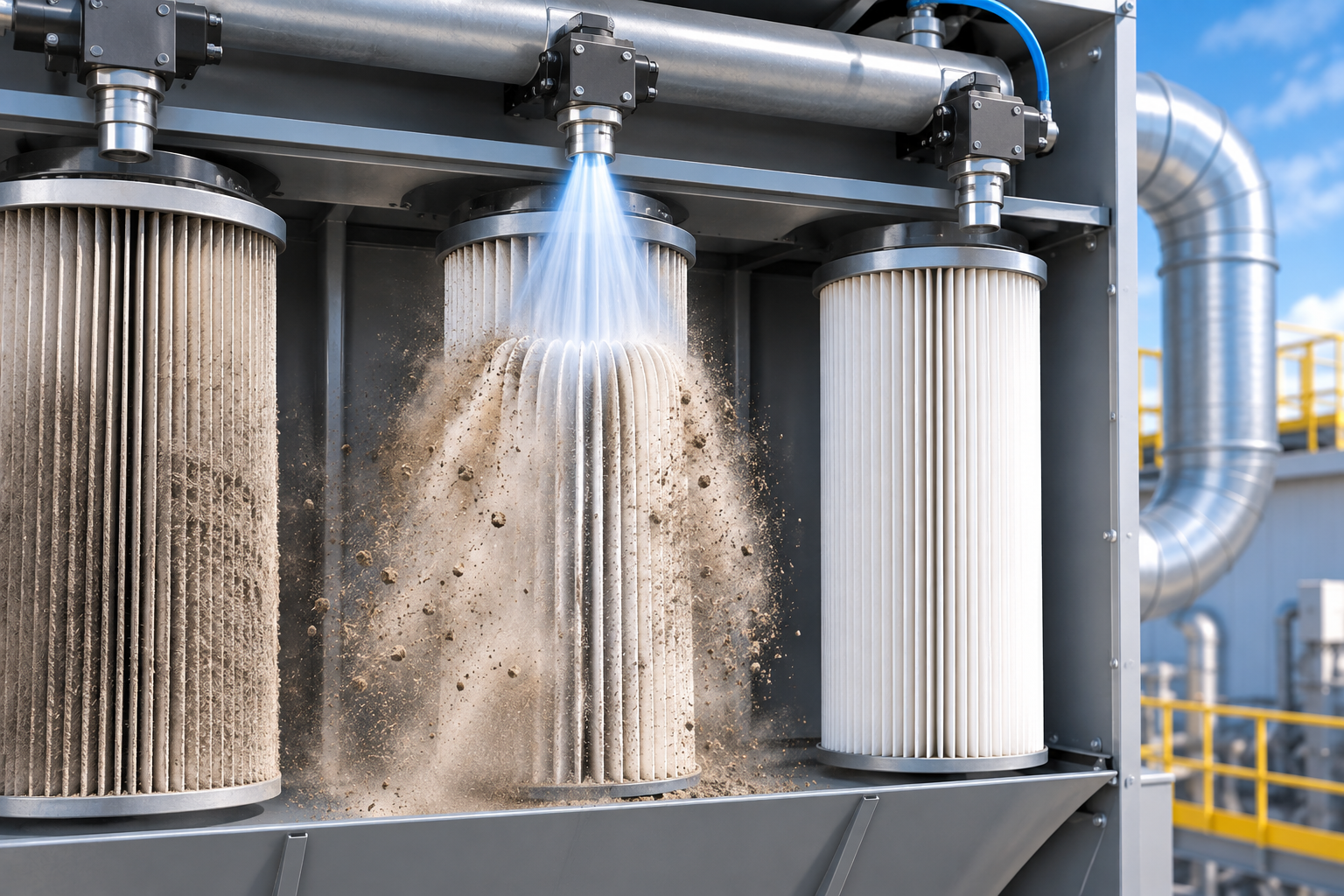
A short burst of compressed air enters the cartridge and creates a rapid pressure wave. The media flexes and reverse airflow helps detach the dust cake. The result depends on manifold pressure, valve response, pulse duration, nozzle alignment, venturi design, cartridge geometry and the condition of the dust cake.
Under-cleaning versus over-cleaning
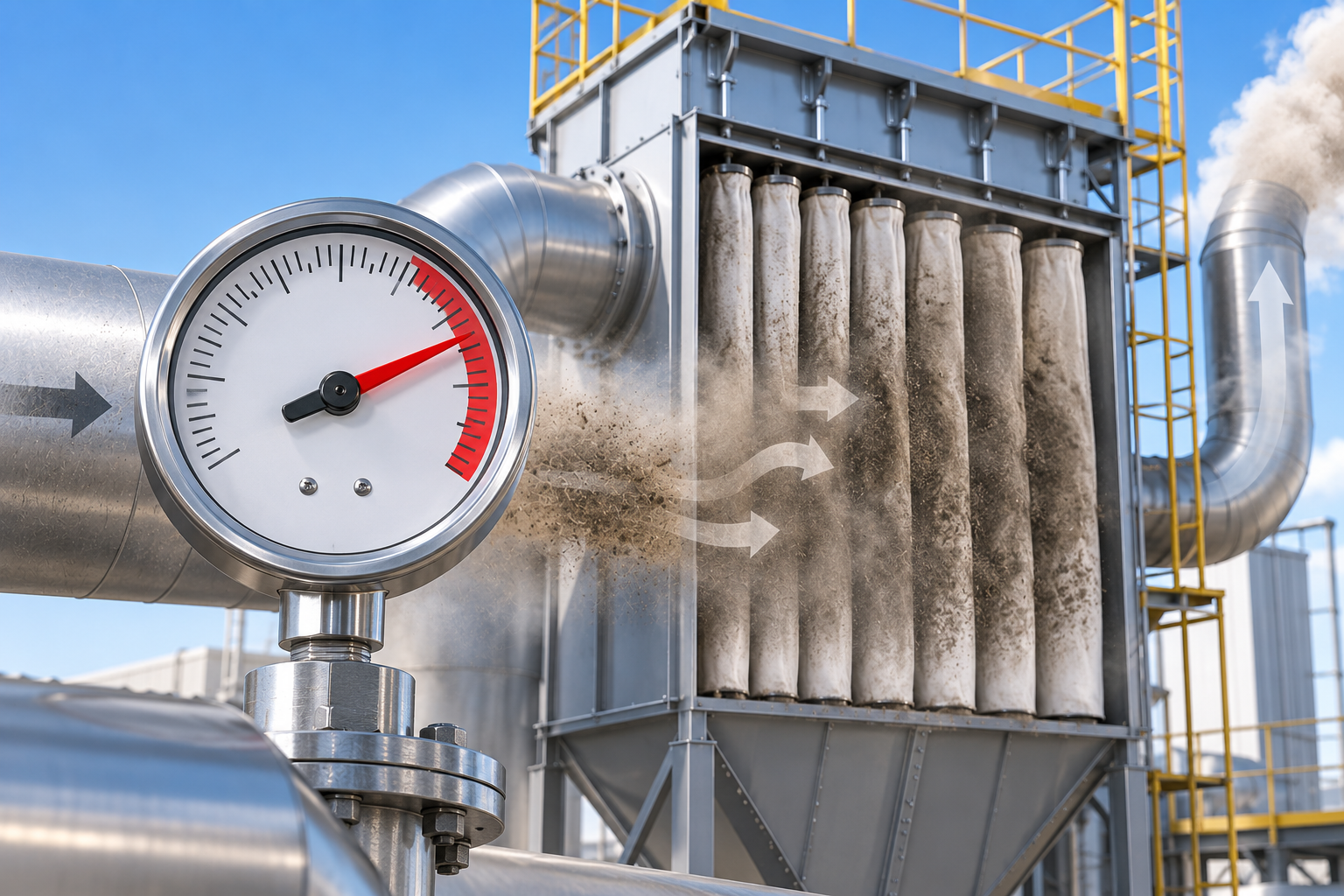
- Under-cleaning allows residual dust to accumulate, raising differential pressure and reducing airflow.
- Over-cleaning increases media flex cycles, compressed-air consumption and the chance of mechanical fatigue.
- Cleaning too early can remove a useful, stable dust cake and may increase particle penetration in depth-loading media.
- Cleaning too late can create a dense cake that is difficult to release and may deform pleats.
Factors that shorten cartridge life
- Pulse pressure higher than the cartridge or collector design requires.
- Very frequent time-based pulsing regardless of actual differential pressure.
- Wet, oily or contaminated compressed air.
- Misaligned blow pipes or missing nozzles that concentrate the pulse.
- Incorrect cartridge length or venturi arrangement.
- High face velocity that redeposits released dust onto adjacent filters.
- Poor hopper discharge that returns dust to the filter pack.
Demand-based cleaning is usually more informative
When controls allow it, cleaning based on differential-pressure limits responds to actual filter loading better than a fixed timer alone. The upper and lower setpoints should provide stable system airflow without causing rapid cycling. Settings must be validated for the specific collector rather than copied from another installation.
Media and pleat design influence cleaning
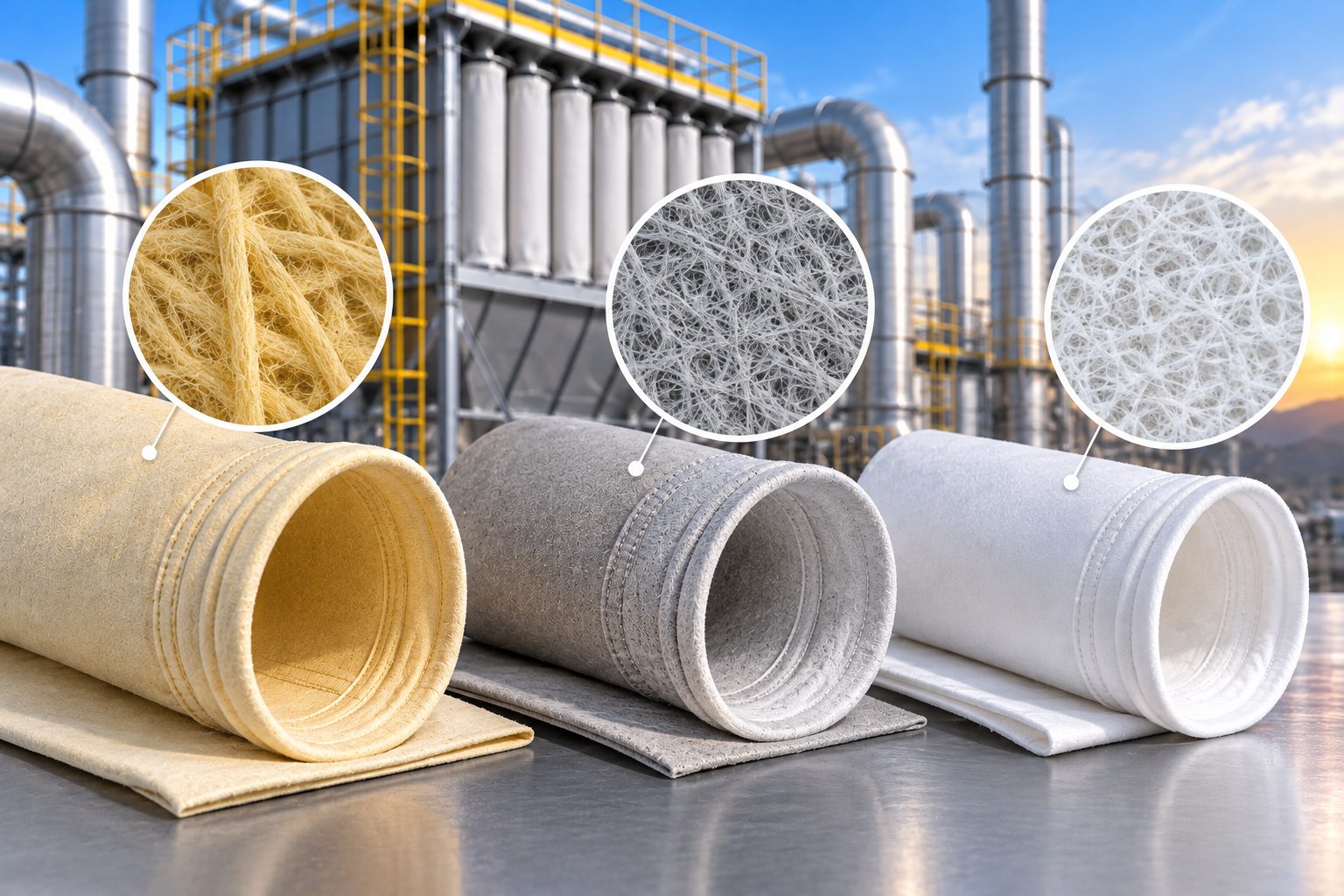
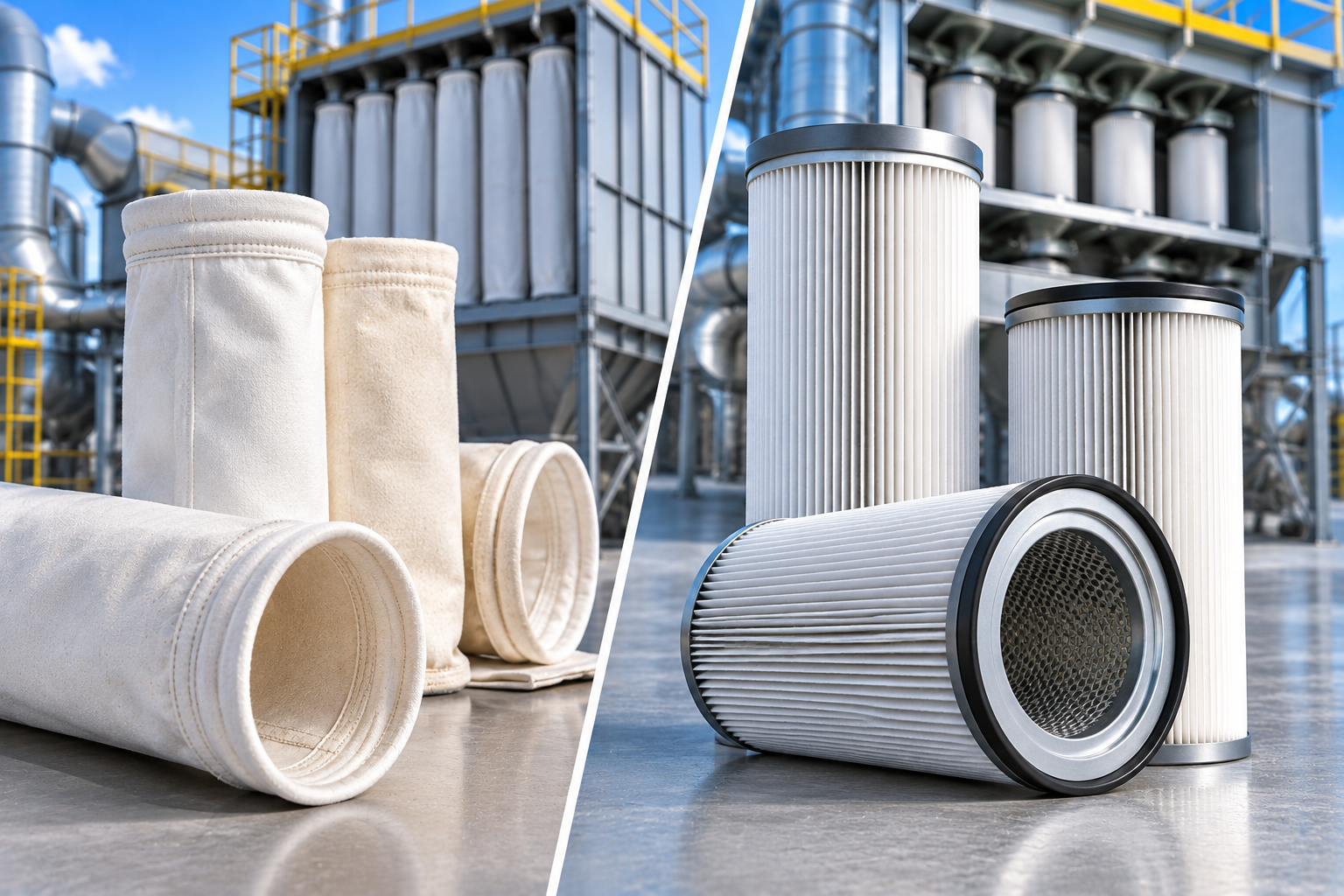
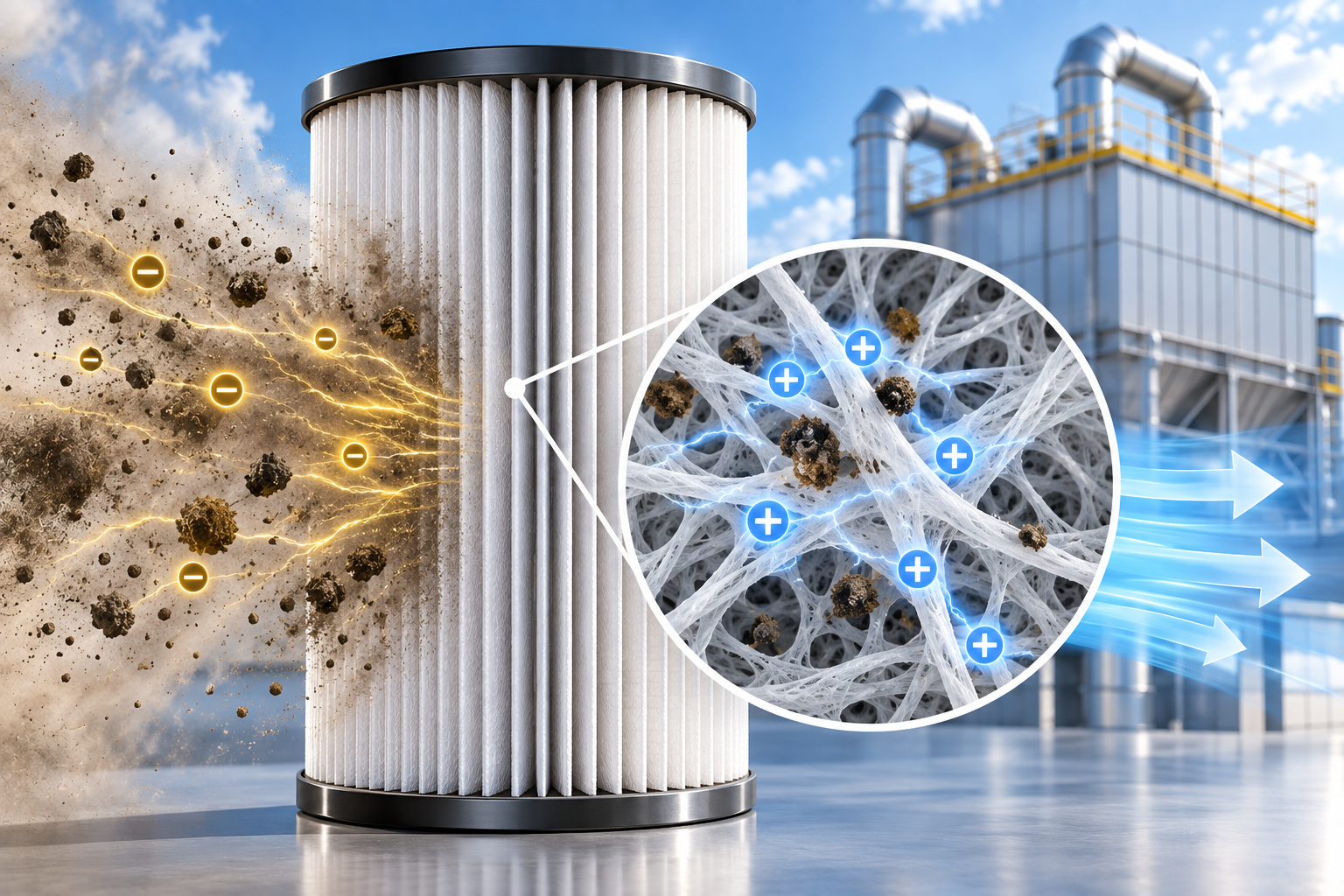
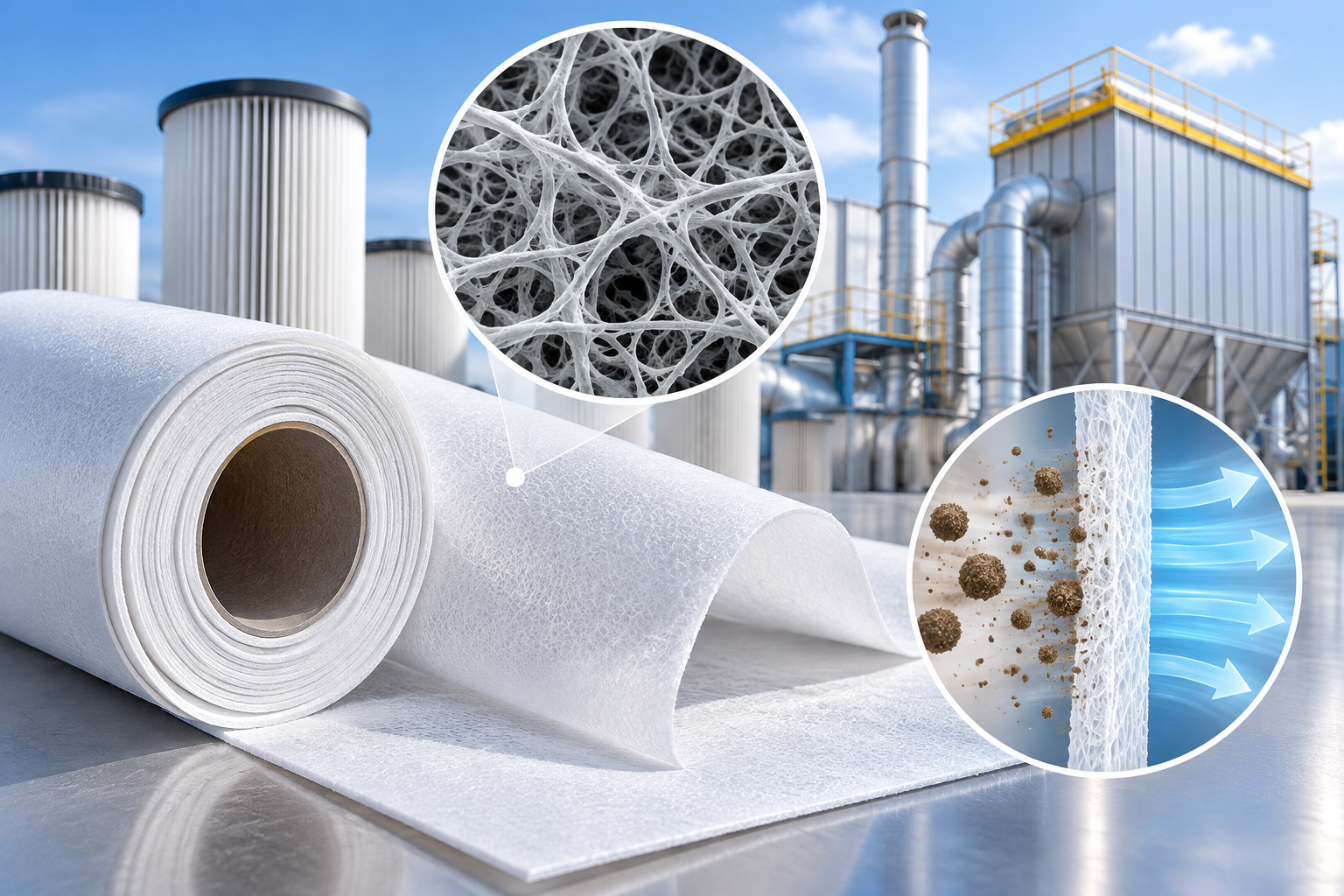
Stiffness, surface finish, membrane structure and pleat spacing affect how a cartridge responds to the pressure wave. A cleanable surface media may release dust at a lower cleaning intensity than a deeply loaded material. Open pleat channels allow the pulse to reach more filtration area and reduce dust bridging.
Optimization checklist
- Measure dynamic manifold pressure while valves fire.
- Confirm pulse duration and sequence against the collector specification.
- Inspect nozzles, blow pipes, venturis and cartridge seating.
- Drain and maintain compressed-air treatment equipment.
- Trend differential pressure, pulse count and airflow together.
- Inspect retired filters for pleat cracking, delamination, dust penetration and uneven cleaning.
Frequently Asked Questions
Should a dust collector pulse continuously?
Not necessarily. The appropriate control strategy depends on the collector, dust loading and process requirement; excessive pulsing can waste air and increase fatigue.
Will higher pulse pressure clean better?
Only up to the limits of the design. Excessive pressure can damage media or seals without solving poor nozzle alignment, sticky dust or high face velocity.
Why do cartridges fail near the top?
Possible causes include concentrated pulse energy, poor alignment, vibration, installation stress or uneven dust loading. The failure pattern should be inspected before changing media.
Technical and safety note
Final media selection must be based on the actual dust, gas composition, temperature, humidity, airflow, cleaning system and collector design. Combustible-dust, fire and explosion controls require a complete system risk assessment by qualified professionals; filter media is only one component.