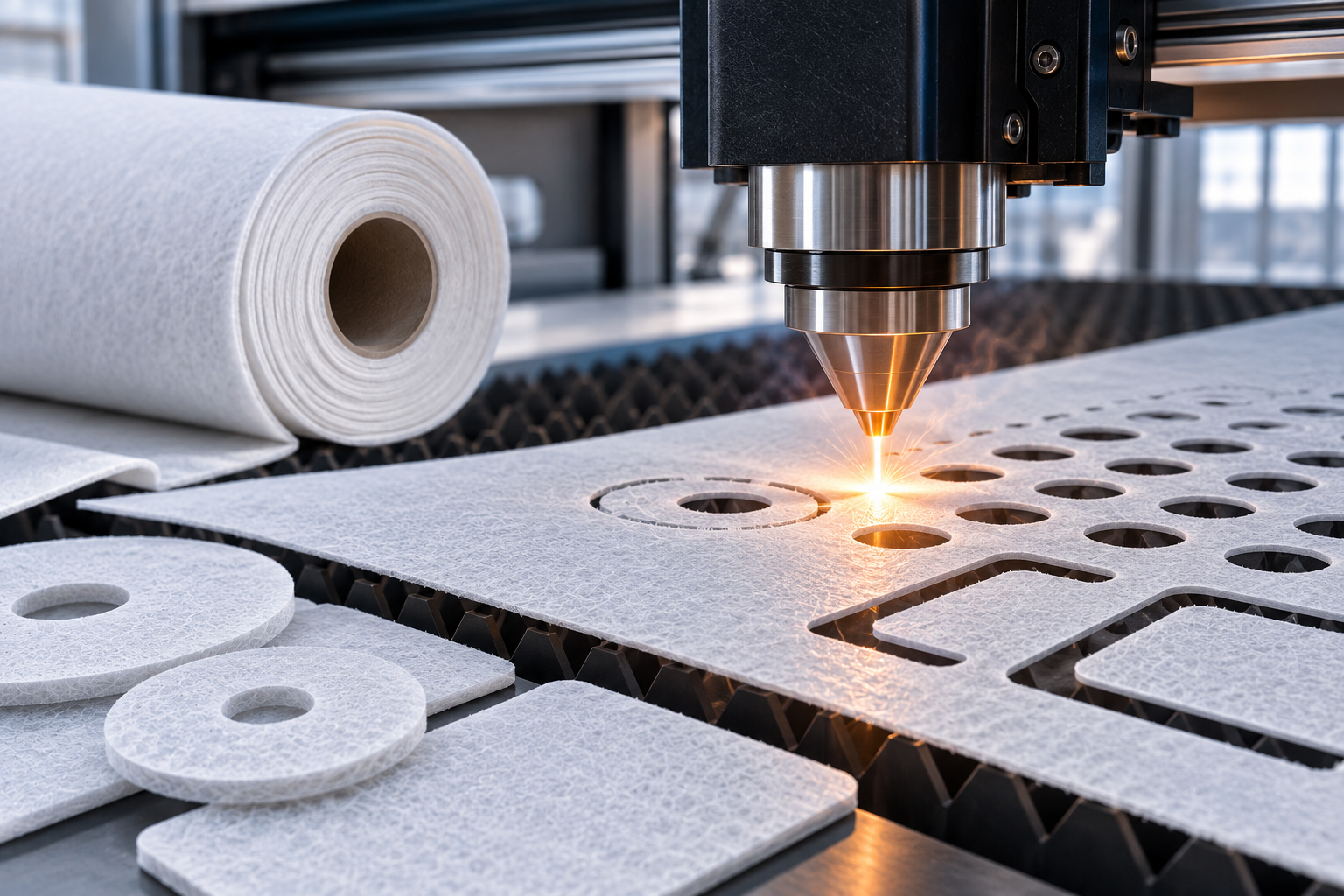
Laser cutting produces a challenging mixture of fine metal particles, oxides and process-dependent residues. The correct media must combine fine-particle capture, surface dust release, stable airflow and compatibility with the collector’s spark-control and pulse-cleaning design.
| Quick Answer Laser cutting produces a challenging mixture of fine metal particles, oxides and process-dependent residues. The correct media must combine fine-particle capture, surface dust release, stable airflow and compatibility with the collector’s spark-control and pulse-cleaning design. |
Understand the process before choosing media
Dust characteristics change with the workpiece and cutting method. Carbon steel, stainless steel, aluminium, coated sheet and galvanized material can produce different particle distributions and surface behavior. Cutting gas, oil residues, plate condition, duty cycle and upstream spark control also affect the filter load.
Why fine-particle performance matters
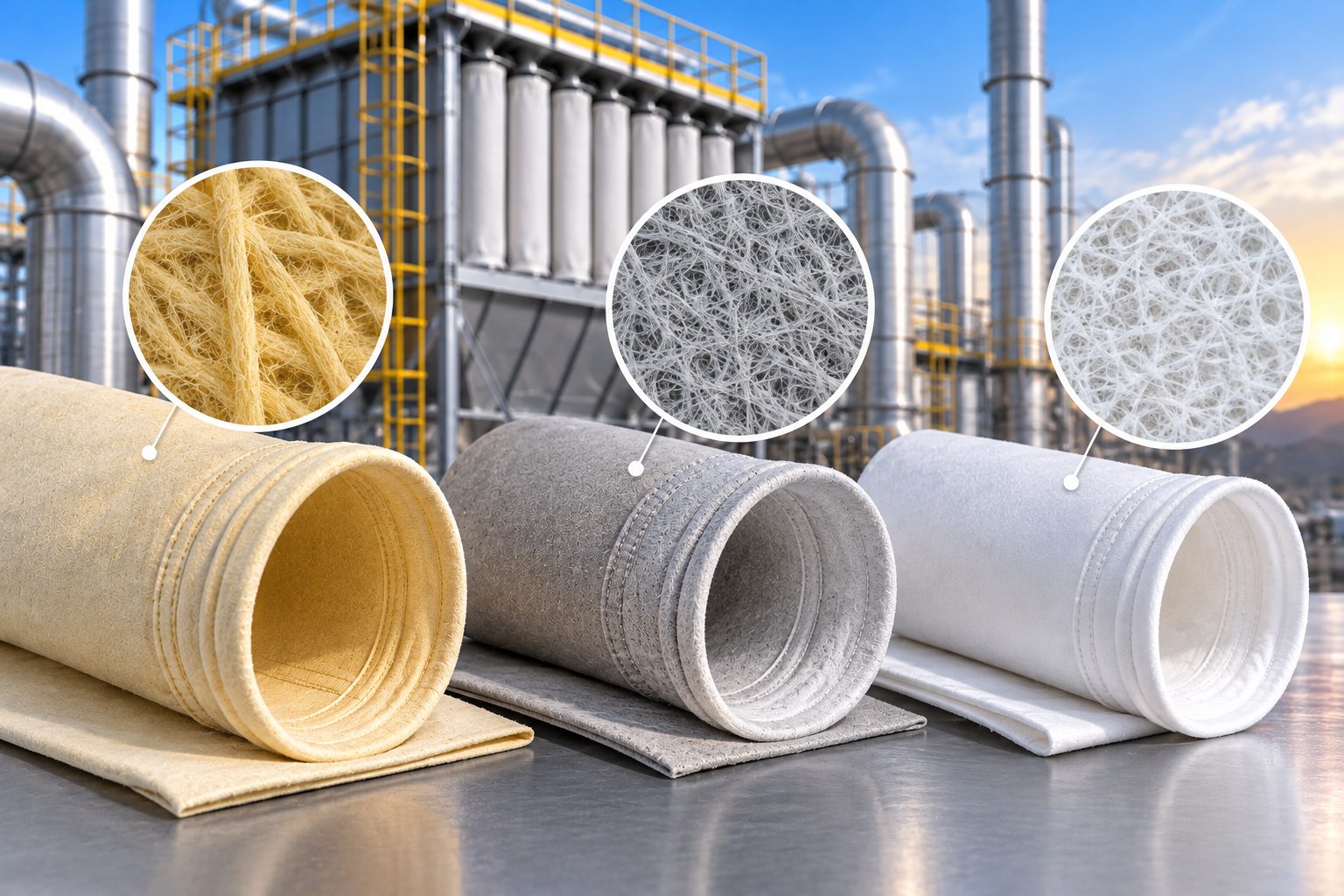
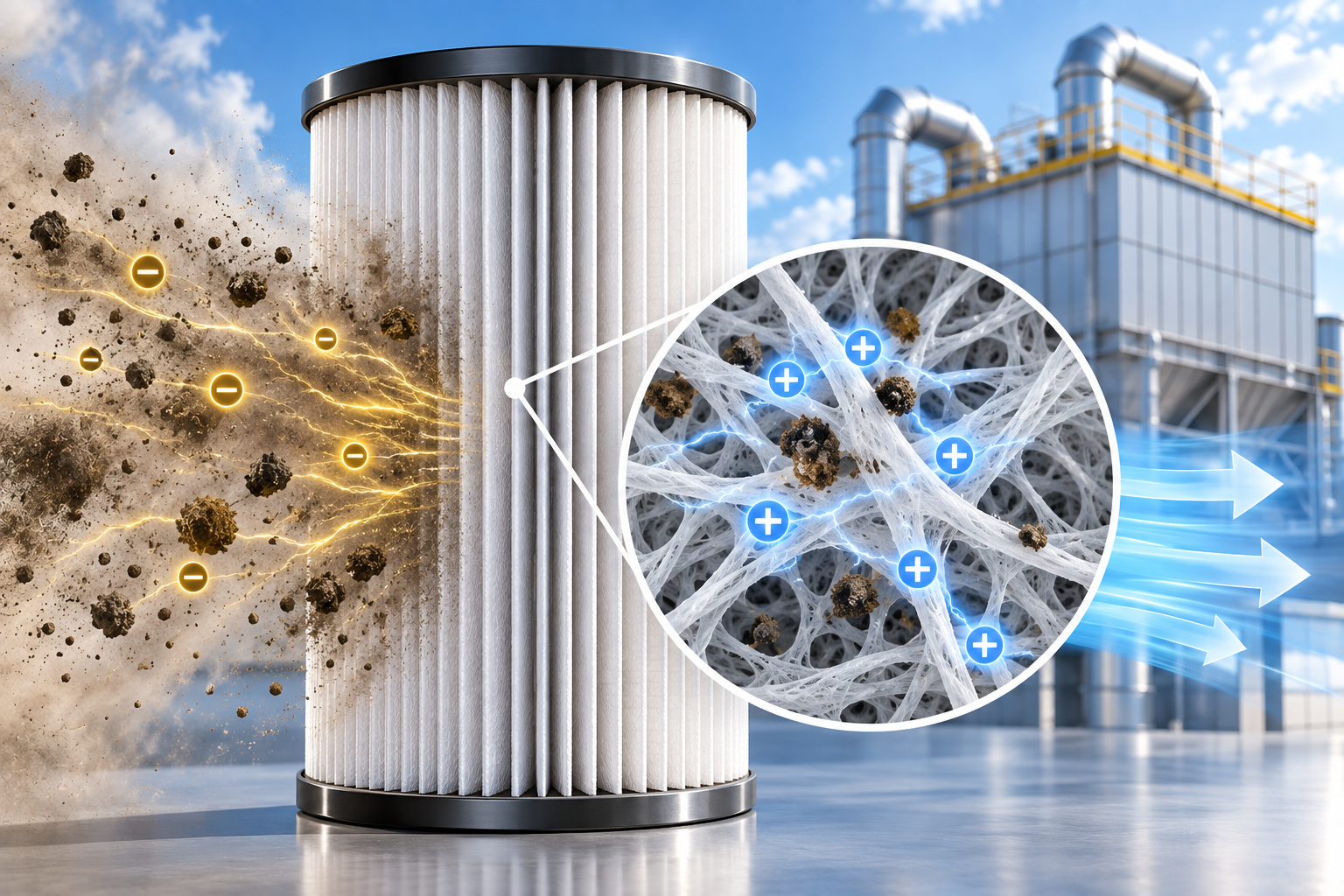
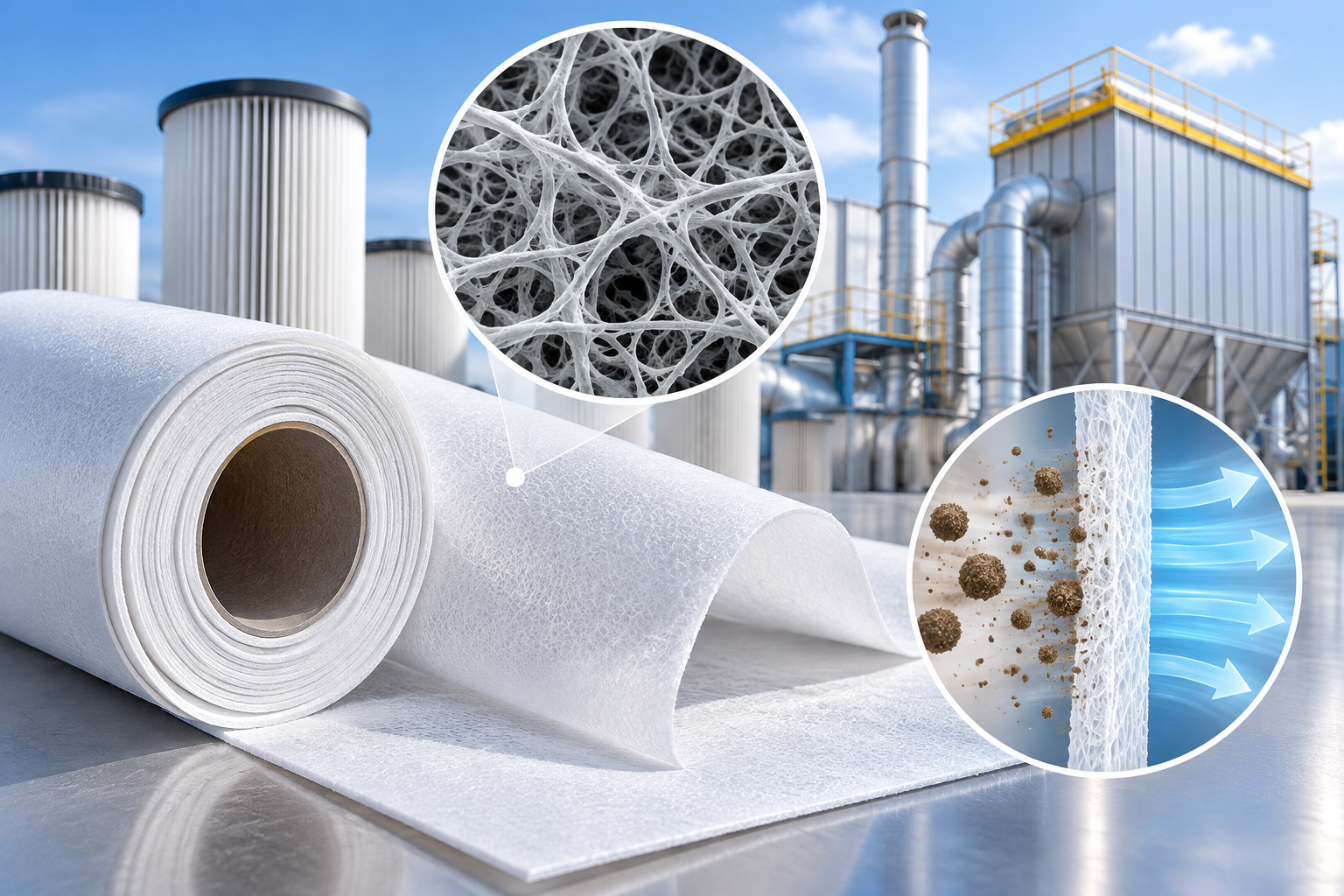
A large fraction of laser-generated particulate can be very fine. Media selection should therefore consider efficiency at the relevant particle range, not only a nominal micron statement. ePTFE membrane or fine-fiber surface media is often evaluated because it captures dust near the surface and can improve pulse-cleaning recovery.
Key media requirements
- Appropriate fine-particle efficiency for the process and downstream requirement.
- Stable pressure drop under repeated dust loading and pulse cleaning.
- Good dust release so particles do not become deeply embedded.
- Mechanical strength and pleat stability under high airflow and repeated pulses.
- Flame-retardant or antistatic properties where the risk assessment and equipment specification require them.
- Resistance to moisture, oil or process residues expected in the actual plant.
Media cannot replace spark and fire protection
Hot particles and sparks must be addressed at system level. Depending on the risk assessment, the collector may require spark arresting, pre-separation, suitable duct velocity, fire detection, isolation or other controls. A flame-retardant media may slow flame propagation under a defined test, but it does not make a collector fireproof.
Match the media to cartridge geometry
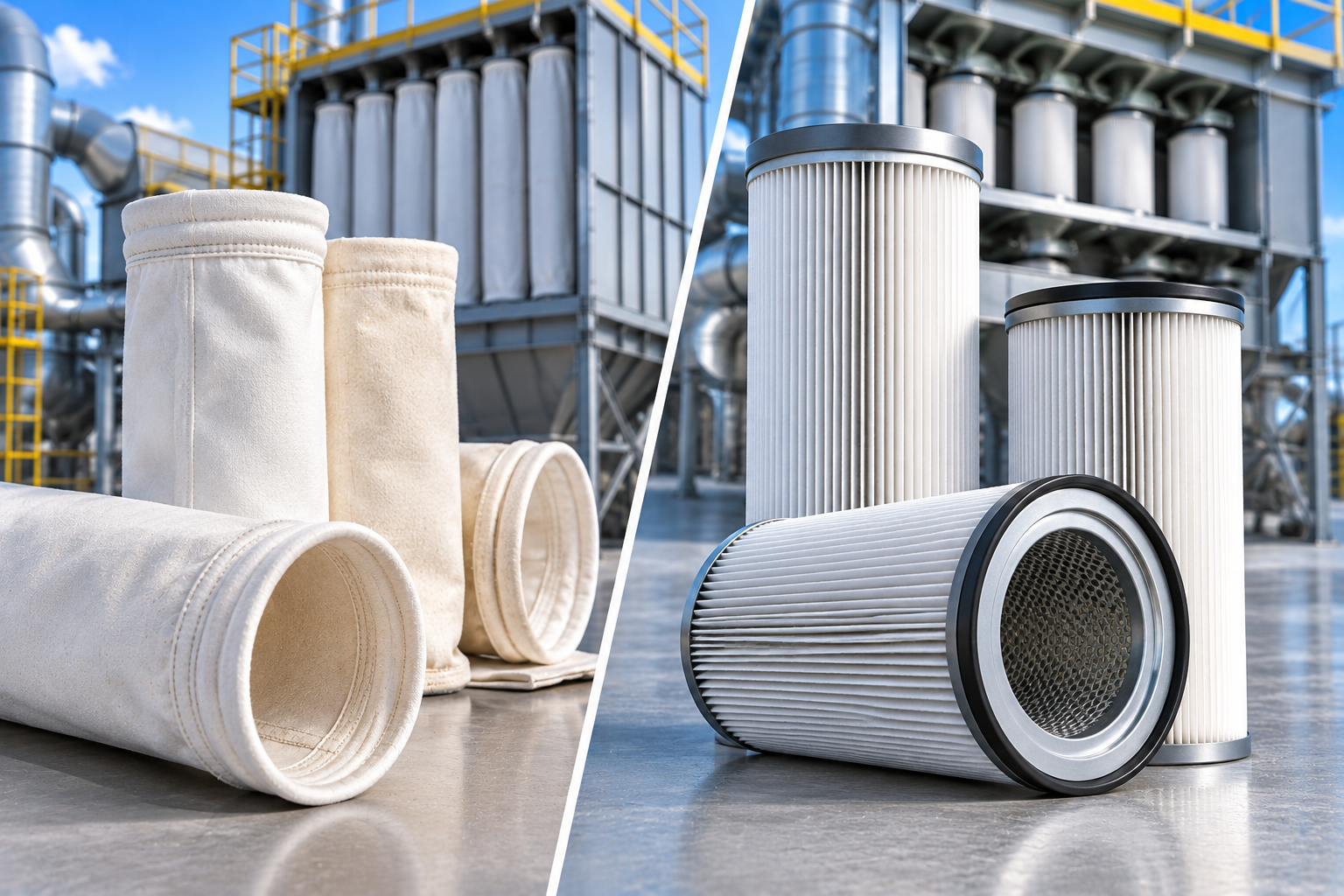
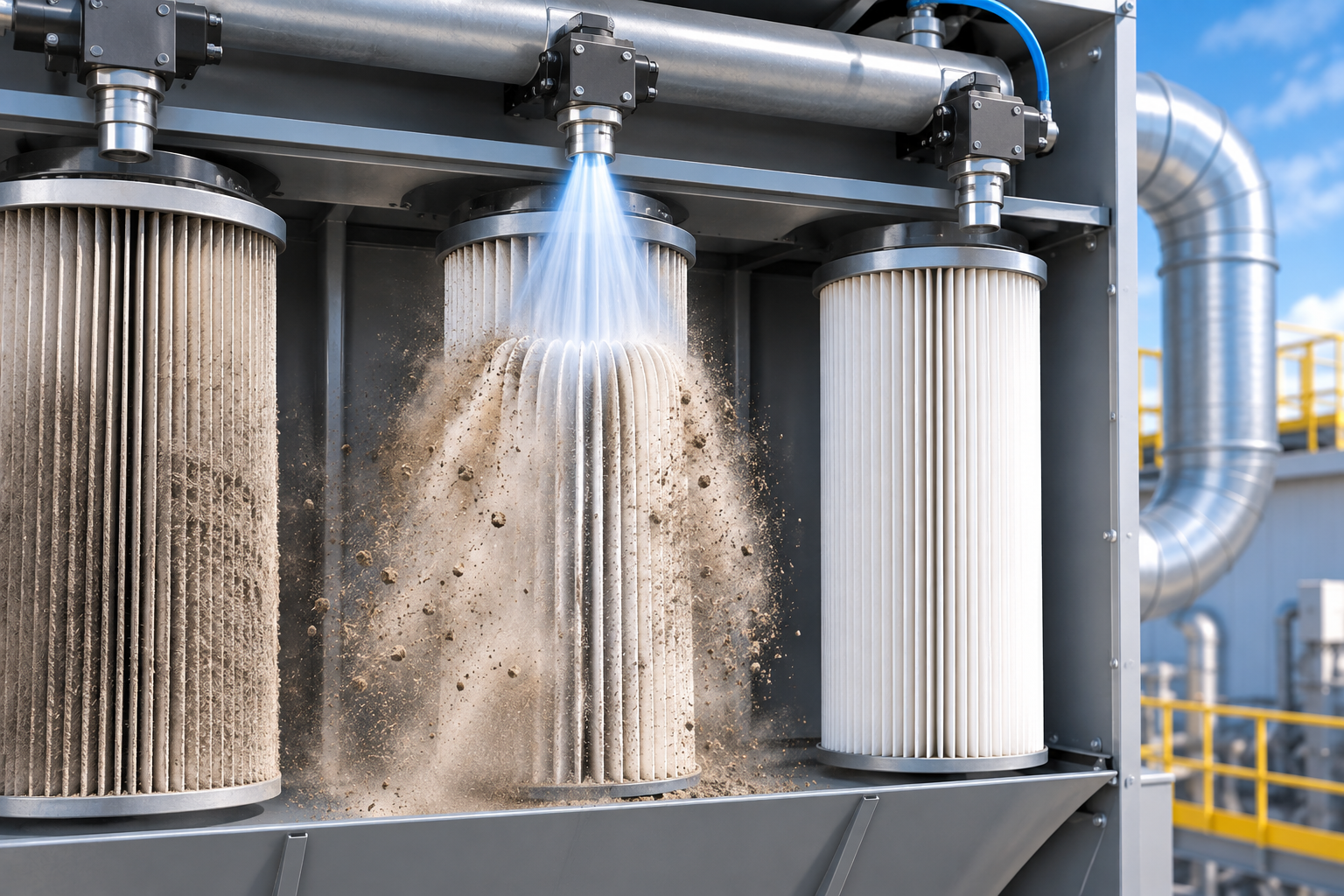
Very tight pleat spacing can trap dust bridges and reduce the effectiveness of pulse cleaning. The media’s stiffness, thickness and permeability must suit the pleat depth, pleat count, support structure and airflow direction. A high-efficiency material cannot compensate for blocked pleat channels or poor nozzle alignment.
Trial and monitoring plan
- Record clean-filter pressure drop and airflow after installation.
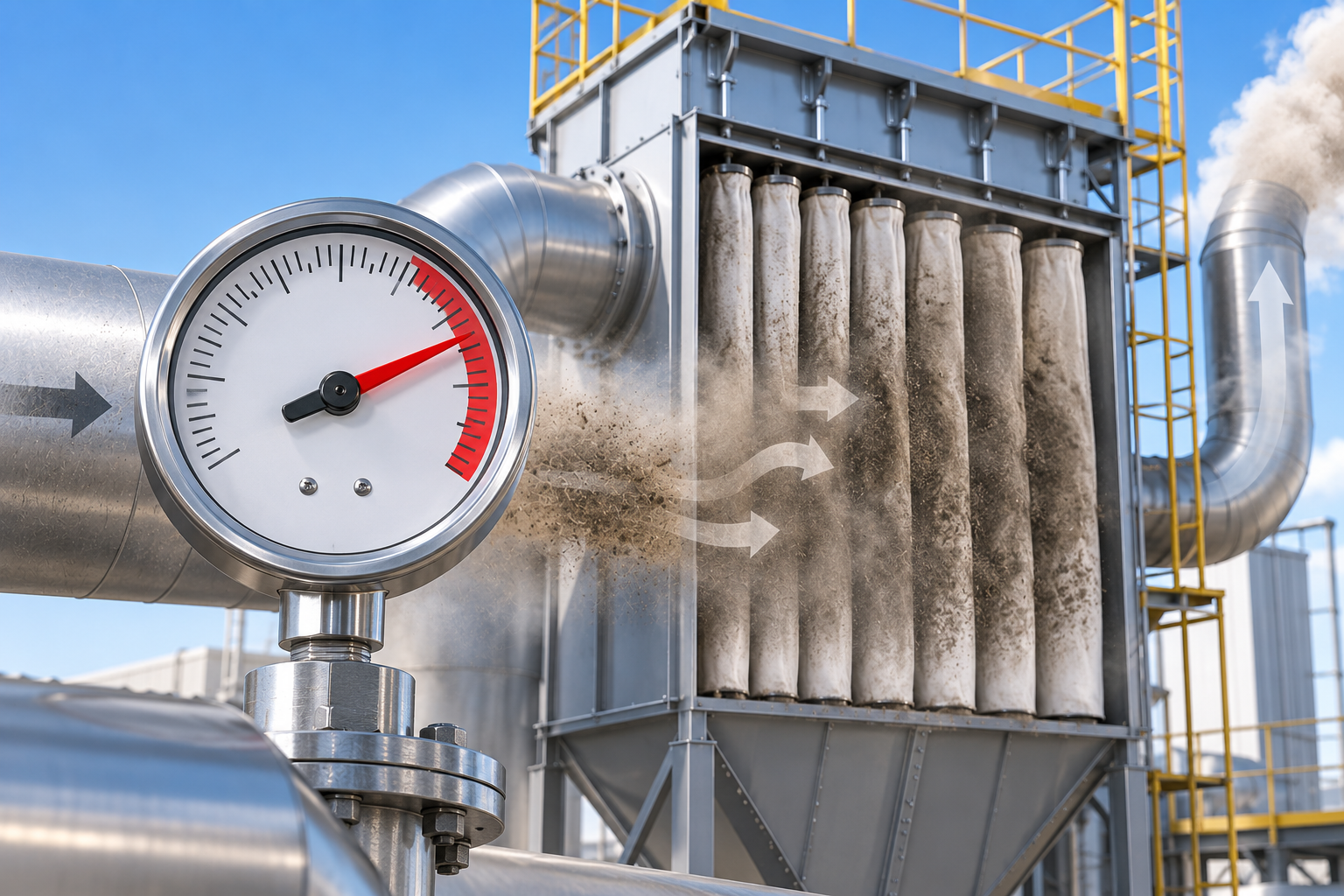
- Track differential pressure at consistent production loads.
- Review pulse pressure, duration, frequency and compressed-air quality.
- Inspect dust cake distribution and any spark or burn marks.
- Compare service life, energy use and compressed-air use against the current filter.
- Cut open a used filter when possible to distinguish surface loading from internal penetration.
Frequently Asked Questions
Is PTFE membrane always required for laser cutting?
No, but it is frequently evaluated for fine dust and surface release. The final choice depends on the material cut, collector design, airflow and economic target.
Should laser cutting media be flame-retardant?
That depends on the process risk assessment and collector specification. Flame-retardant media is only one part of fire-risk control.
Why do new laser filters show high pressure drop?
Possible causes include media resistance, excessive pleat density, insufficient filtration area, low airflow capacity or an installation issue. The full system should be checked.
Technical and safety note
Final media selection must be based on the actual dust, gas composition, temperature, humidity, airflow, cleaning system and collector design. Combustible-dust, fire and explosion controls require a complete system risk assessment by qualified professionals; filter media is only one component.